What Is Sciatica?
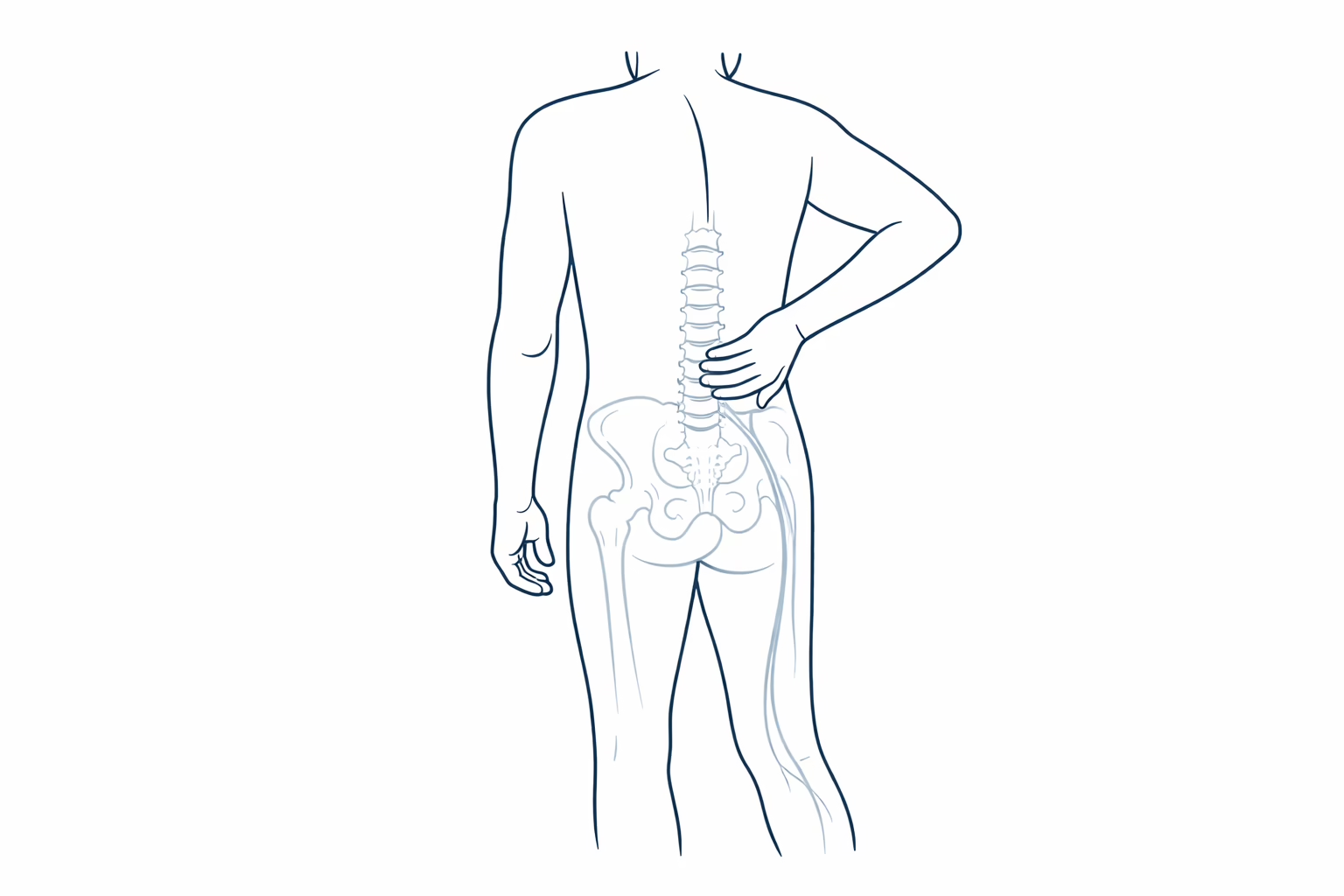
Sciatica refers to pain that radiates along the path of the sciatic nerve — the longest nerve in your body, running from your lower back through your hips and down each leg. It’s not a diagnosis in itself, but rather a symptom of an underlying condition affecting the nerve.
At The Back Clinic, sciatica is one of the most common complaints we treat. Understanding what’s causing your symptoms is the first step toward getting better.
Common Causes
Sciatica occurs when the sciatic nerve becomes compressed or irritated. The most frequent causes include:
- Herniated disc: When the soft center of a spinal disc pushes through a crack in the outer casing and presses on a nerve root
- Spinal stenosis: Narrowing of the spinal canal that puts pressure on the nerves
- Degenerative disc disease: Age-related wear on the spinal discs that can lead to nerve irritation
- Piriformis syndrome: When the piriformis muscle in the buttock tightens or spasms, compressing the sciatic nerve
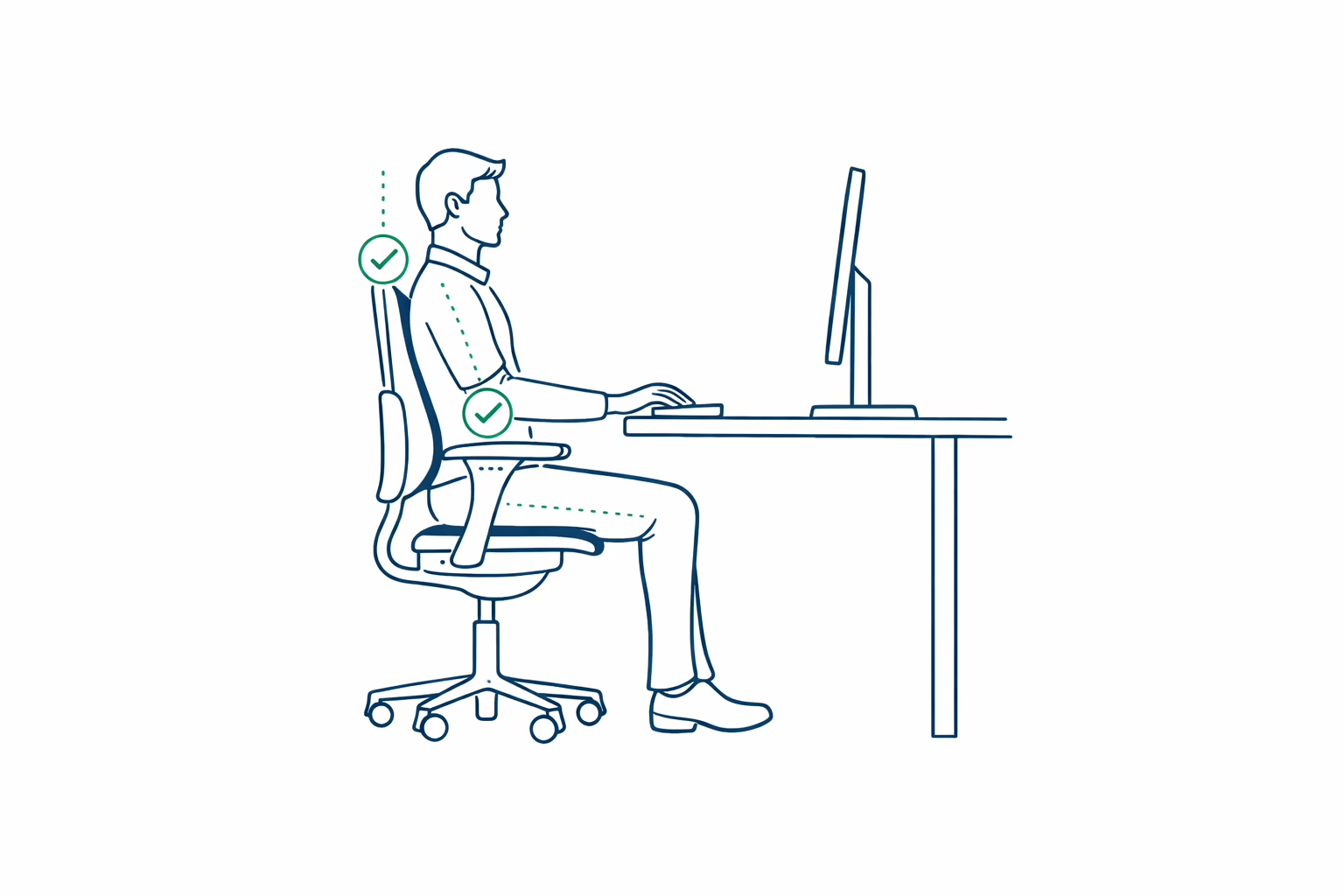
Risk factors include prolonged sitting, obesity, diabetes, and occupations that involve heavy lifting or twisting.
Recognizing the Symptoms
Sciatica typically affects one side of the body. Symptoms can include:
- Sharp, burning, or shooting pain from the lower back into the buttock and down the leg
- Numbness or tingling in the leg or foot
- Weakness in the affected leg
- Pain that worsens with sitting, coughing, or sneezing
- Difficulty standing up or walking
The severity can range from a mild ache to debilitating pain that makes daily activities nearly impossible.
How Physical Therapy Helps
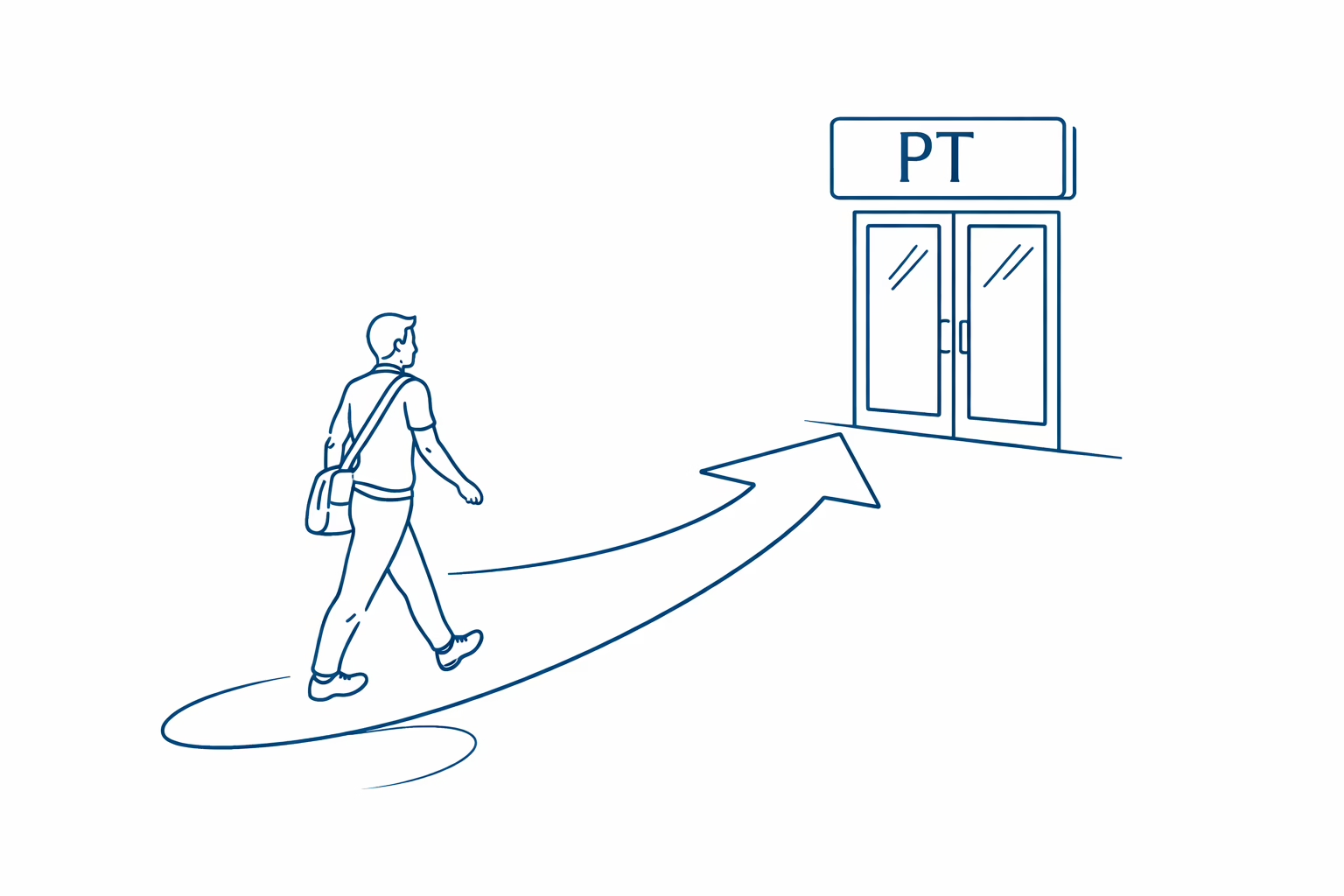
Research consistently shows that physical therapy is one of the most effective treatments for sciatica. At The Back Clinic, your therapist will conduct a thorough evaluation to identify the specific cause of your nerve irritation, then develop a personalized treatment plan.
What Treatment Looks Like
Your plan may include manual therapy to improve spinal mobility, targeted exercises to strengthen the muscles that support your spine, nerve mobilization techniques to reduce irritation, and education on posture and body mechanics to prevent recurrence. Because every session is one-on-one, your therapist can monitor your response and adjust treatment in real time.
What About Surgery?
Most cases of sciatica resolve with conservative treatment. Surgery is typically only considered when symptoms are severe, progressive, or haven’t responded to several months of therapy. Many patients who come to us expecting to need surgery find that a focused course of physical therapy gives them the relief they need.
Don’t Wait for It to Go Away on Its Own
While mild sciatica sometimes resolves on its own, delaying treatment can allow the condition to worsen. Early intervention leads to faster recovery and better outcomes.
If you’re experiencing sciatica symptoms, call The Back Clinic at (302) 998-4477 or schedule your evaluation online. Our team has been helping patients in Wilmington find lasting relief for over 40 years.