Dizziness Is More Than Just Feeling Lightheaded
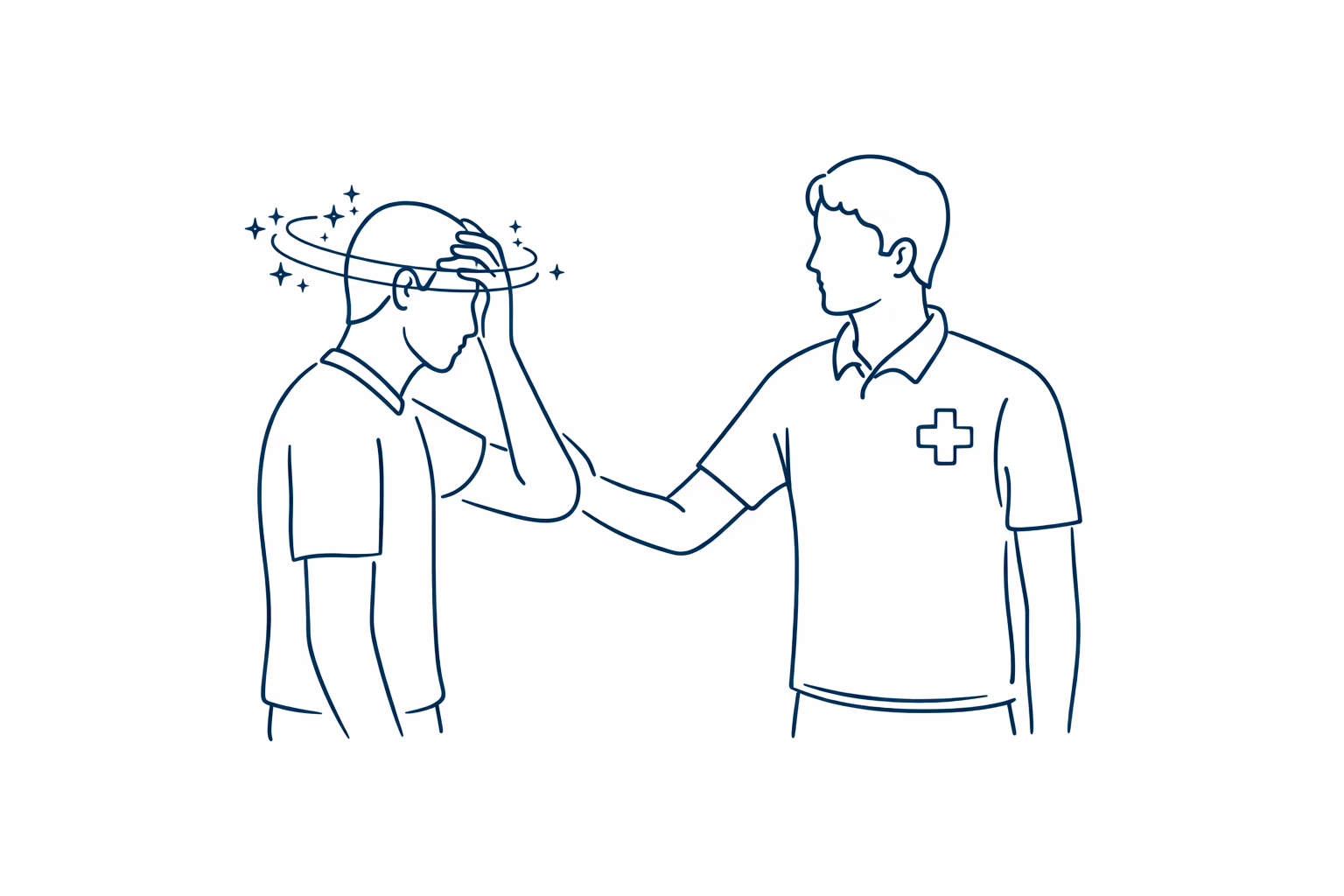
Dizziness is one of the most common complaints doctors hear, yet it’s also one of the most misunderstood. It can mean different things to different people — a spinning sensation, unsteadiness, feeling faint, or a vague sense that something is “off.” And while dizziness has many possible causes, a significant number of cases are related to the vestibular system — the part of your inner ear that controls balance.
That’s where physical therapy comes in.
What Is Vestibular Rehabilitation?
Vestibular rehabilitation therapy (VRT) is a specialized form of physical therapy designed to treat dizziness and balance disorders caused by inner ear or vestibular system dysfunction. At The Back Clinic, our therapists are trained in vestibular assessment and treatment — and it’s one of the most rewarding areas of our practice because the results can be life-changing.
Signs You Might Benefit from Vestibular PT
Consider seeing a vestibular physical therapist if you experience:
- A spinning sensation (vertigo), especially triggered by head movements or rolling over in bed
- Feeling unsteady or like you might fall
- Dizziness that worsens in visually busy environments (grocery stores, scrolling on your phone)
- Difficulty focusing your eyes during head movements
- Nausea associated with movement or position changes
- A history of falls or near-falls
- Dizziness following a concussion or head injury
Common Vestibular Conditions We Treat
BPPV (Benign Paroxysmal Positional Vertigo)
BPPV is the most common cause of vertigo. It occurs when tiny calcium crystals in the inner ear become dislodged and move into the wrong area. It causes brief but intense spinning triggered by specific head movements. The good news is that BPPV can often be resolved in one to three treatment sessions using repositioning maneuvers performed by your therapist.
Vestibular Neuritis and Labyrinthitis
These conditions involve inflammation of the inner ear, often following a viral infection. They can cause prolonged dizziness, imbalance, and nausea. Vestibular rehabilitation helps the brain compensate for the damaged inner ear through specific exercises.
Post-Concussion Dizziness
Dizziness is one of the most persistent symptoms after a concussion. Vestibular PT can address both the balance and visual components of post-concussion syndrome.
What Treatment Looks Like
Your first visit will include a comprehensive assessment of your symptoms, balance, eye movements, and positional testing. Based on the findings, your therapist will develop a treatment plan that may include repositioning maneuvers for BPPV, gaze stabilization exercises, balance and coordination training, and habituation exercises to reduce sensitivity to motion.
Every session is one-on-one, so your therapist can carefully monitor your response and progress safely.
Don’t Just Live with Dizziness
Many people assume dizziness is something they have to accept, but in most cases, effective treatment is available. Call The Back Clinic at (302) 998-4477 or schedule your evaluation online.