Pelvic Floor Dysfunction Is More Common Than You Think
When most people hear “pelvic floor therapy,” they think of postpartum recovery. And while pregnancy and childbirth are common causes of pelvic floor dysfunction, they’re far from the only ones. Men and women of all ages can experience pelvic floor problems — and specialized physical therapy is one of the most effective treatments available.
What Is the Pelvic Floor?
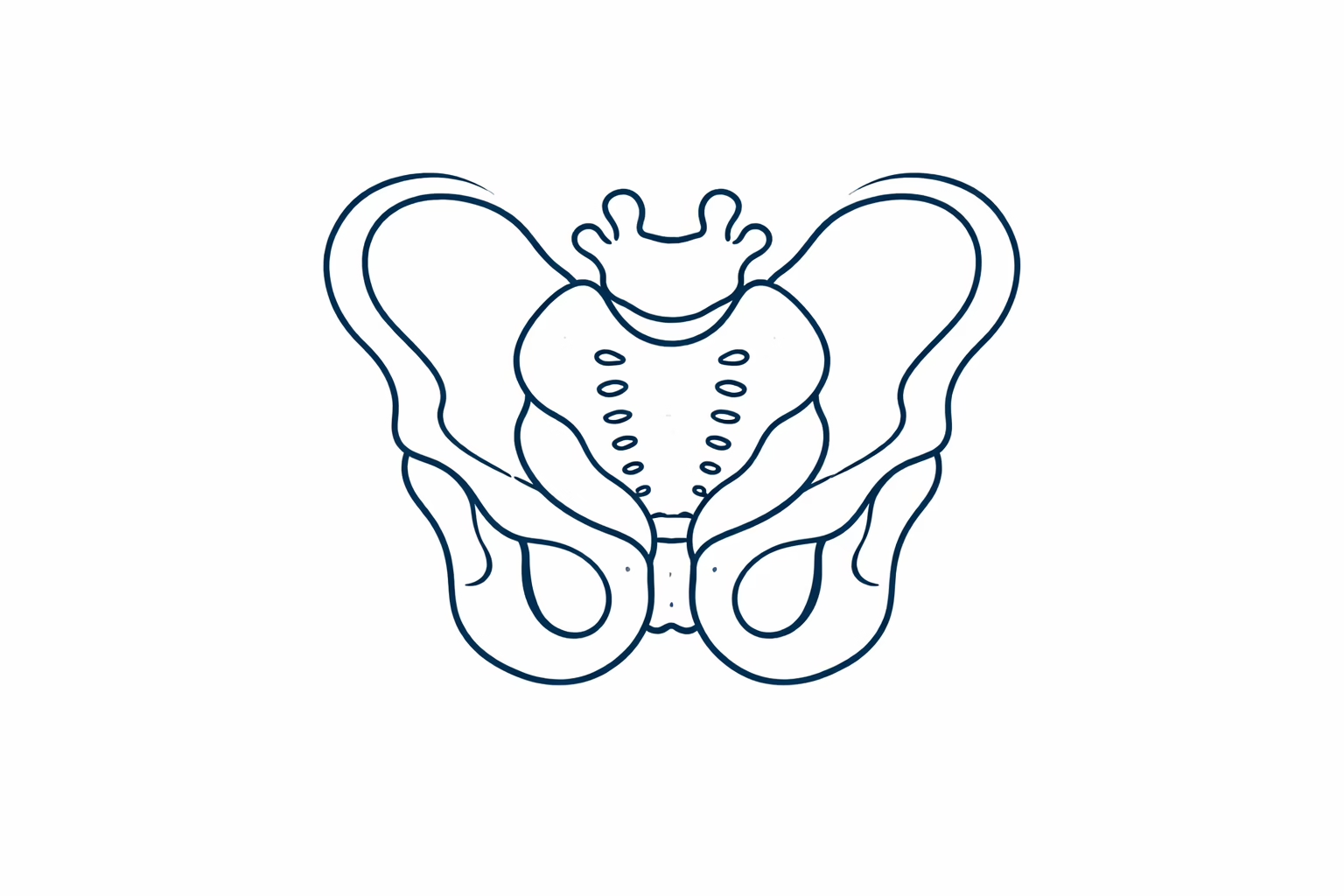
The pelvic floor is a group of muscles that form a supportive “hammock” at the base of your pelvis. These muscles support your bladder, bowel, and reproductive organs. They play a critical role in urinary and bowel control, sexual function, core stability, and posture.
When these muscles are too weak, too tight, or uncoordinated, a range of symptoms can develop.
Symptoms of Pelvic Floor Dysfunction
Pelvic floor issues can show up in many ways, including:
- Urinary incontinence — leaking when you cough, sneeze, laugh, or exercise
- Urinary urgency or frequency
- Difficulty emptying the bladder or bowel completely
- Pelvic pain or pressure
- Pain during intercourse
- Lower back or hip pain that doesn’t respond to traditional treatment
- Constipation or bowel control issues
Many people live with these symptoms for years, assuming they’re just a normal part of aging or something they have to accept. They’re not.
Who Can Benefit?
Women
Pregnancy, childbirth, menopause, and gynecological surgery can all affect pelvic floor function. But pelvic floor issues also affect women who’ve never been pregnant — especially athletes, women with chronic constipation, and those with high-stress lifestyles.
Men
Men experience pelvic floor dysfunction too. It’s especially common after prostate surgery, but can also result from chronic pelvic pain, urinary issues, or core muscle imbalances. Pelvic floor therapy for men is effective and increasingly recognized by urologists.
Older Adults
Age-related changes in muscle tone and hormone levels can contribute to pelvic floor weakness. Physical therapy can help restore function and prevent the progression of symptoms.
What Pelvic Floor Therapy Involves
At The Back Clinic, pelvic floor therapy is provided by specially trained physical therapists in a private, comfortable setting. Treatment may include internal and external muscle assessment, targeted exercises to strengthen or relax the pelvic floor, biofeedback to help you understand and control these muscles, manual therapy, and education on bladder and bowel habits.
Every session is one-on-one, ensuring your privacy and allowing your therapist to give you their complete attention.
Take the First Step
If you’re experiencing any of these symptoms, know that help is available — and it works. Call The Back Clinic at (302) 998-4477 or schedule your evaluation online.