What Is TMJ Dysfunction?
The temporomandibular joint (TMJ) connects your jawbone to your skull on each side of your face. When this joint isn’t functioning properly, it can cause a range of uncomfortable symptoms collectively known as TMJ dysfunction or TMD. It’s more common than many people realize — and physical therapy is one of the most effective ways to treat it.
Common Symptoms
TMJ dysfunction can present in many ways, including:
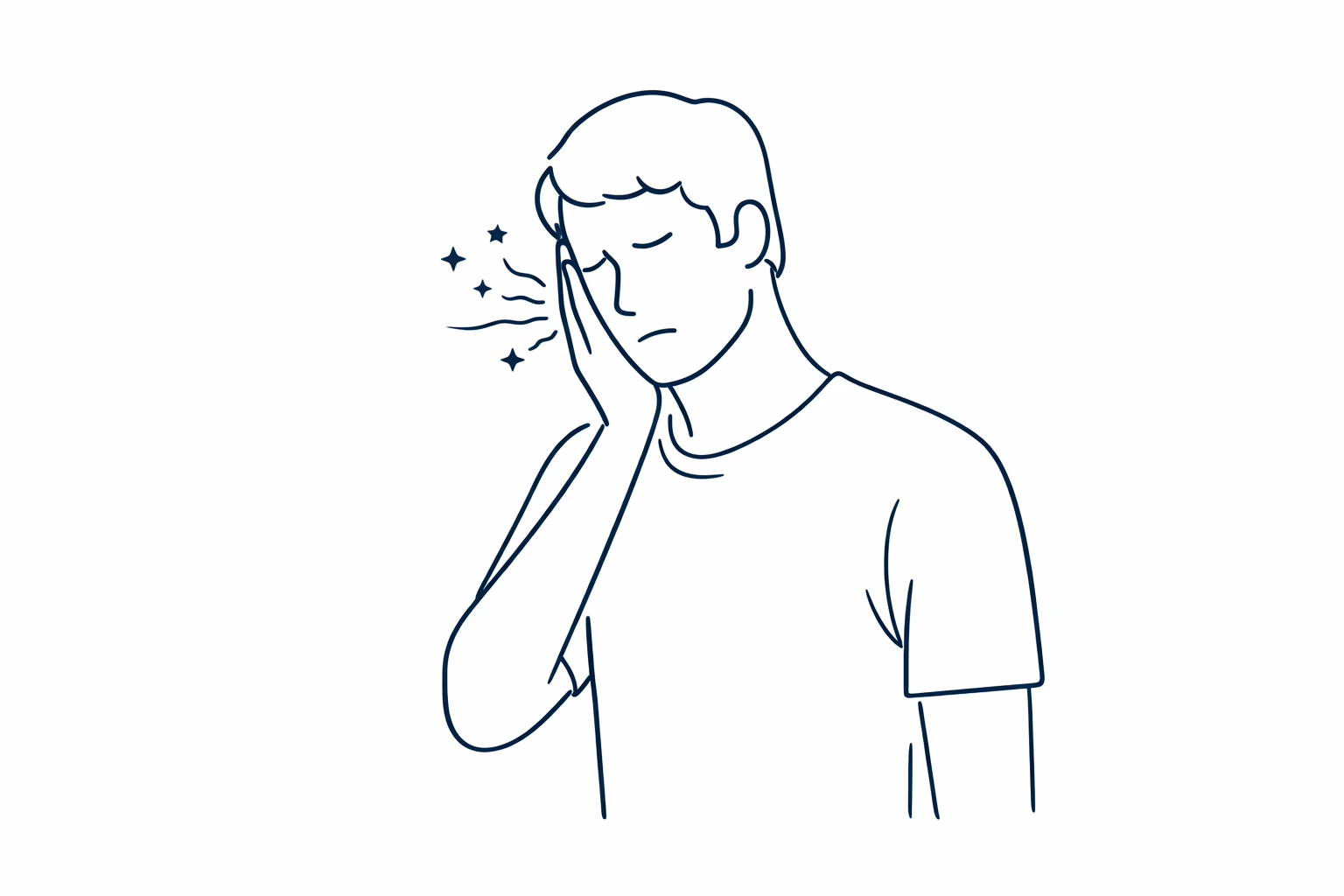
- Pain or tenderness in the jaw, especially when chewing or talking
- Clicking, popping, or grinding sounds when opening or closing the mouth
- Difficulty opening the mouth fully or a feeling that the jaw is “locked”
- Headaches, often mistaken for tension headaches or migraines
- Ear pain or a feeling of fullness in the ears
- Neck and shoulder tension
Many patients are surprised to learn that their headaches or ear symptoms are actually coming from their jaw.
What Causes TMJ Problems?
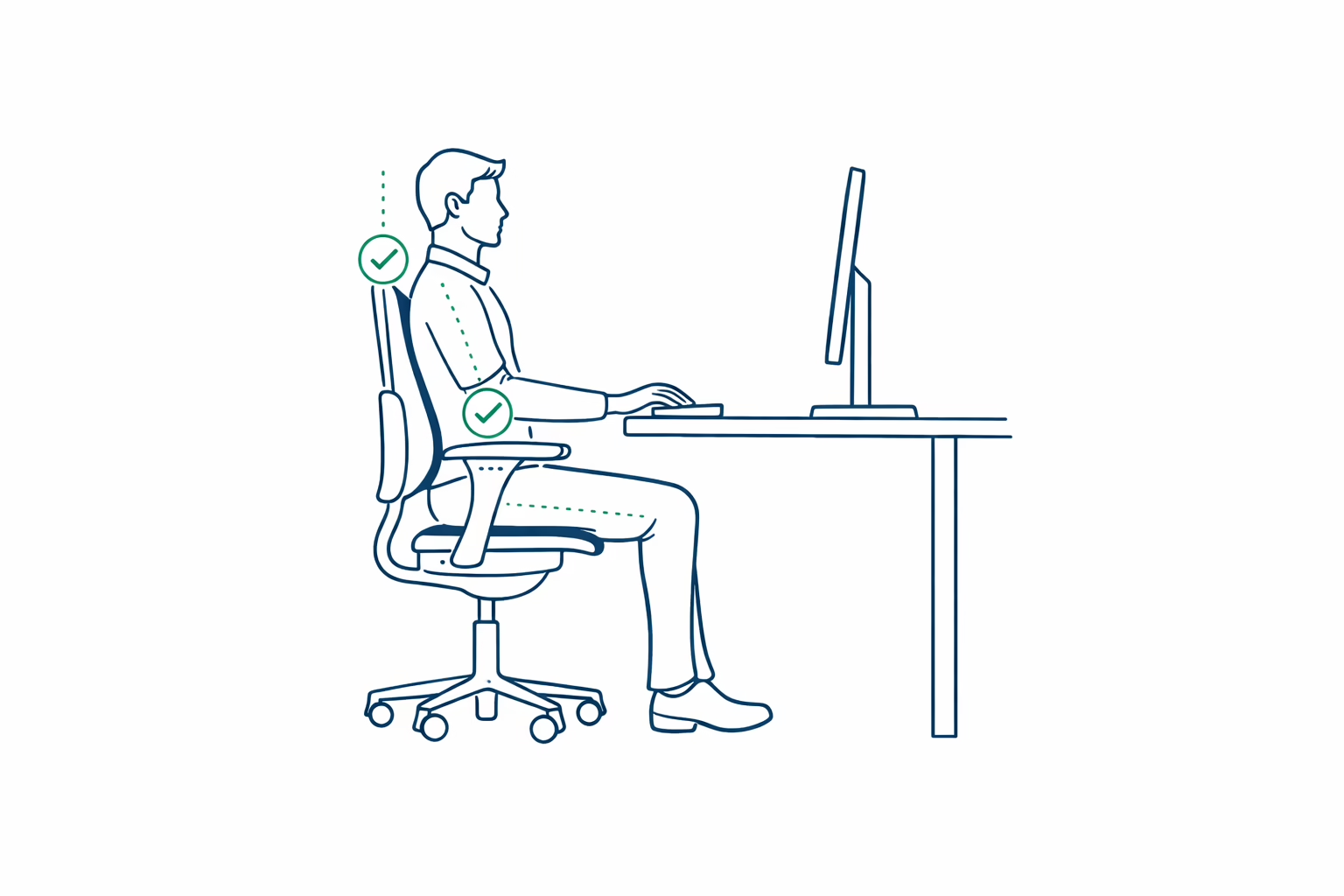
TMJ dysfunction can result from several factors, often working together. Common contributors include jaw clenching or teeth grinding (bruxism), stress and muscle tension, poor posture (especially forward-head posture from desk work), arthritis in the joint, or a history of trauma to the jaw or face. In many cases, it’s a combination of habits, posture, and muscle imbalances.
How Physical Therapy Helps
At The Back Clinic, our therapists are trained in TMJ assessment and treatment. Because the jaw doesn’t function in isolation — it’s closely connected to the neck, upper back, and even your breathing patterns — we take a comprehensive approach.
Manual Therapy
Your therapist may use hands-on techniques to mobilize the jaw joint, release tight muscles around the jaw and neck, and restore normal movement patterns. This can provide significant relief, often within the first few sessions.
Therapeutic Exercises
Specific exercises help retrain the muscles that control jaw movement. These may include gentle opening and closing exercises, lateral movement drills, and coordination exercises to improve how the jaw tracks during function.
Posture and Habit Correction
Because posture plays a significant role in TMJ dysfunction, your therapist will assess and address postural contributors. They’ll also help you identify habits that may be aggravating your symptoms — like clenching during stress, chewing gum, or resting your chin on your hand.
Dry Needling
For patients with significant muscle tension in the jaw, neck, or temples, dry needling can be an effective addition to treatment. It targets trigger points that contribute to pain and restricted movement.
Do I Need to See a Dentist Too?
In some cases, TMJ treatment benefits from collaboration between your physical therapist and your dentist. If a bite issue or grinding is a factor, a night guard from your dentist combined with PT to address the muscular and postural components often produces the best results.
Get Relief from Jaw Pain
You don’t have to live with jaw pain, clicking, or chronic headaches. Call The Back Clinic at (302) 998-4477 or schedule your evaluation online to start feeling better.